Mastering Diesel Diagnostics: A Comprehensive Guide for Vehicle Owners May 05, 2026
Diesel diagnostics starts with recognizing the signs that your engine may need attention. Common symptoms include a decrease in performance, unusual noises, increased exhaust emissions, or frequent fuel system problems. If you notice any of these issues, it's crucial to address them promptly to prevent further damage.
A key aspect of diesel diagnostics is understanding the role of the diesel particulate filter (DPF). Responsible for capturing soot and other particles, the DPF can become clogged over time, leading to reduced engine efficiency or even damage if not addressed. Regularly monitoring your DPF and ensuring it regenerates properly can safeguard your engine’s performance. For those less familiar with engine components, don't worry—professionals like the team at Advanced Automotive and Diesel Repair are trained to handle these complexities, ensuring your vehicle operates smoothly.
Additionally, the check engine light is a vital tool for diagnosing diesel engines. Often the first indicator of a problem, the light can illuminate for a range of reasons, from minor issues like a loose gas cap to more serious concerns like fuel system failures. By utilizing advanced scanning tools, automotive professionals can interpret diagnostic codes and pinpoint specific issues, allowing for targeted repairs.
One of the often overlooked components in diesel engines is the fuel injection system. It plays a critical role in engine performance, influencing everything from fuel efficiency to power output. If you experience difficulty starting your vehicle or notice a decline in power, it might be time to inspect the fuel injectors for wear or clogging. Routine maintenance of the fuel injection system not only extends the life of your diesel engine but also enhances its operational efficiency.
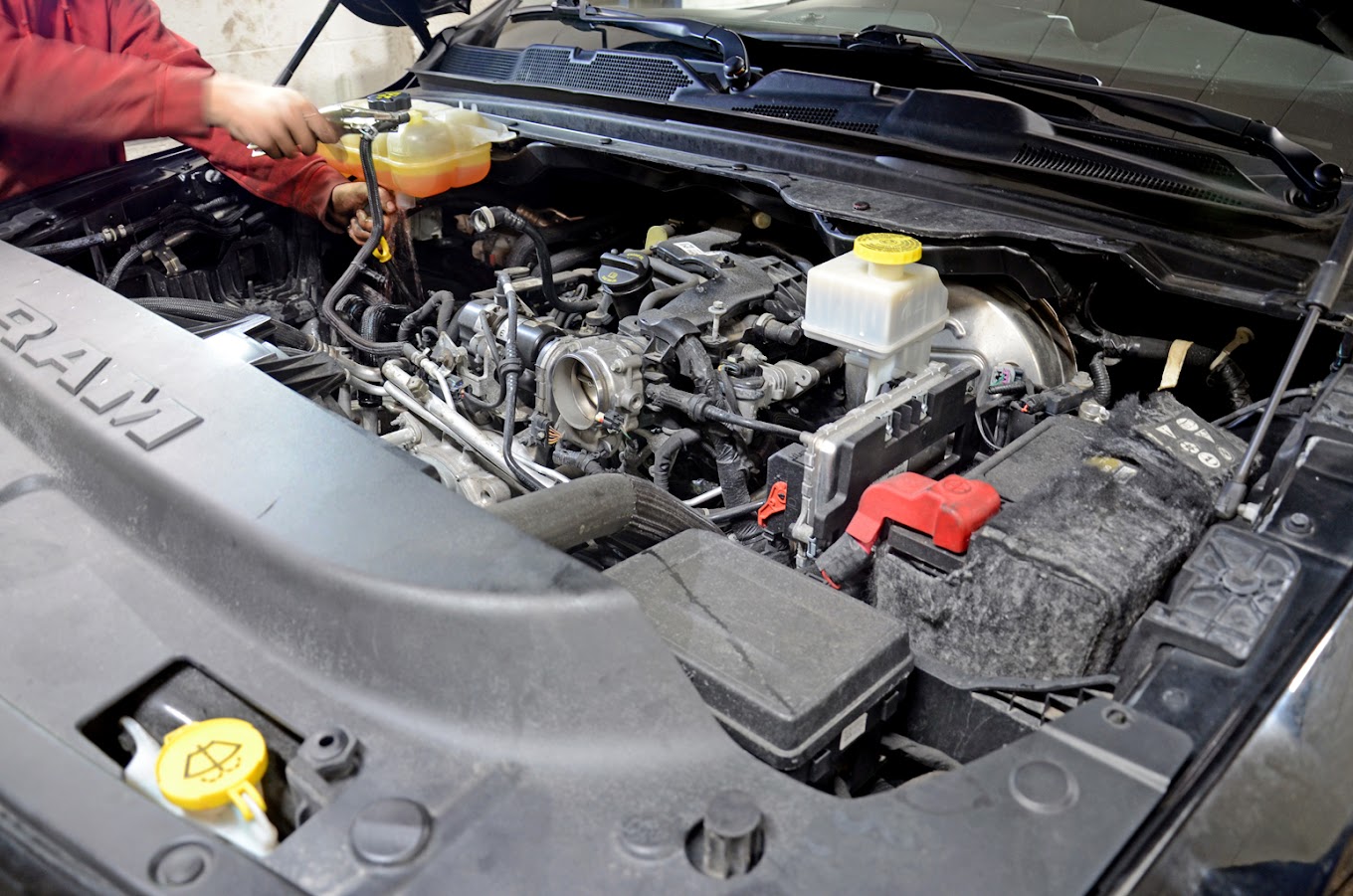
Proper diesel diagnostics also involves regular monitoring of engine fluids. Oil, coolant, and transmission fluids are the lifeblood of your engine, and maintaining optimal levels is crucial. Regular oil changes are essential in preventing engine wear, while checking coolant levels can mitigate the risk of overheating—a common issue in diesel engines under heavy loads or high temperatures.
Beyond recognizing and addressing these common issues, preventive maintenance remains one of the most effective strategies for mastering diesel diagnostics. Scheduling regular check-ups with a trusted provider such as Advanced Automotive and Diesel Repair ensures that potential problems are identified and resolved before they escalate, saving vehicle owners time and money in the long run.
In conclusion, mastering diesel diagnostics doesn't require an engineering degree, but it does necessitate vigilance and proactive care. By staying informed, monitoring key engine components, and seeking professional assistance when needed, vehicle owners can ensure their diesel engines remain in top working condition. At Advanced Automotive and Diesel Repair, we are committed to providing our customers with top-tier service and expertise, helping them navigate the complexities of diesel engine care with confidence. Remember, a well-maintained diesel engine not only lasts longer but also provides consistent, reliable performance, keeping you on the road and worry-free.
/filters:no_upscale()/filters:format(webp)/media/502ba746-2440-4b93-86a7-e549557cabb7.jpeg)