Essential Maintenance Practices for Long-Lasting Vehicle Performance May 04, 2026
One of the most crucial aspects of vehicle maintenance is regular oil changes. Your engine’s oil is its lifeblood, providing necessary lubrication that minimizes friction and wear on moving parts. Over time, however, oil degrades and becomes less effective. It’s recommended to change the oil every 3,000 to 5,000 miles, depending on your vehicle and oil type. This simple practice can drastically improve your engine's performance and longevity.
Tire maintenance is another key component of vehicle upkeep. Regularly checking tire pressure can improve fuel efficiency and prevent uneven wear. Under-inflated tires can lead to increased friction, causing them to wear out faster. Alongside checking pressure, rotating your tires approximately every 6,000 to 8,000 miles helps ensure even wear and extends their lifespan.
Brakes are vital for your safety and should never be neglected. Pay attention to any unusual sounds when braking, such as squealing or grinding, which can indicate worn brake pads or rotors. Regularly inspect your brakes as part of routine maintenance to catch any potential issues early. For those in varied weather conditions, particularly winter, it's crucial to ensure that your brakes are in prime condition to handle emergency stops safely.
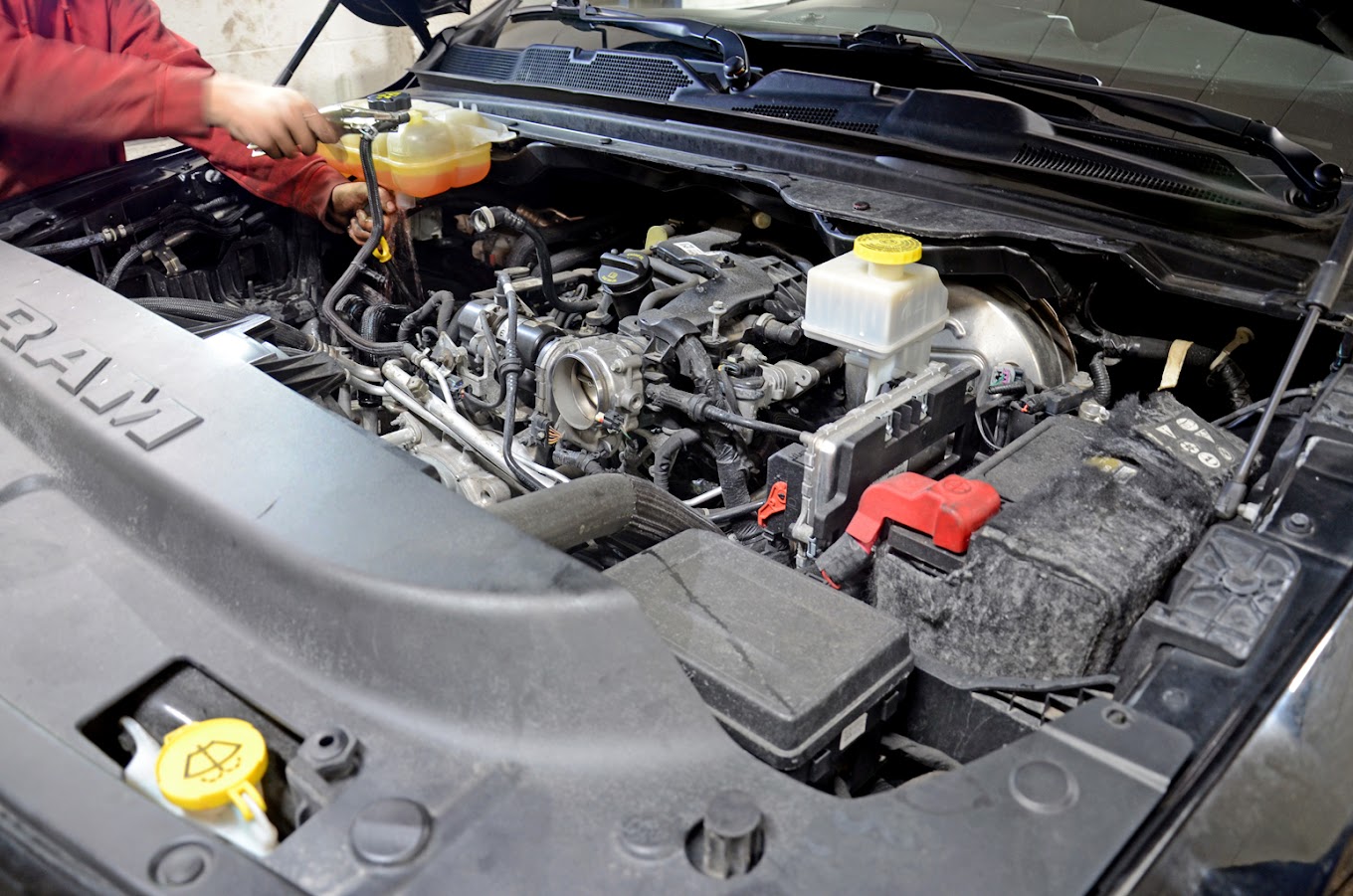
Additionally, don't overlook the importance of your vehicle’s fluid levels. Ensure that the coolant, brake, transmission, and windshield wiper fluids are at appropriate levels. Coolant regulates your engine's temperature, and maintaining a proper level can prevent overheating. In contrast, low brake or transmission fluid can affect the operation of these crucial systems, leading to expensive repairs or dangerous driving conditions.
It is also vital to pay attention to your vehicle’s battery. A simple check to ensure the battery's terminals are clean and free from corrosion can prevent unexpected failures. If your battery is over three to four years old, consider having it tested by a professional to assess its reliability.
Furthermore, staying on top of your vehicle’s air filter is important. A clean air filter ensures that your engine is getting sufficient airflow, which is essential for optimal performance. Filters should be checked and replaced regularly, as a dirty filter can decrease fuel efficiency and engine power.
Regular professional inspections by experts at Advanced Automotive and Diesel Repair can uncover potential issues before they become major problems. Regular check-ups allow technicians to assess components that may not be readily visible or accessible without specialist equipment.
In conclusion, by incorporating these maintenance practices, you can significantly extend the life and performance of your vehicle. Investing time and care in regular maintenance not only enhances safety and performance but also saves money on costly repairs in the long run. At Advanced Automotive and Diesel Repair, we're committed to providing comprehensive auto repair services that help you enjoy a smooth and safe driving experience. Prioritize these maintenance practices to keep your vehicle in top shape and enjoy the journey with peace of mind.
/filters:no_upscale()/filters:format(webp)/media/502ba746-2440-4b93-86a7-e549557cabb7.jpeg)